Psychology · September 29, 2026
The Be The Cause® Mind Map Yellow Brick Road to Healing from Childhood Wounds and Narcissistic Abuse
# The Be The Cause® Mind Map Yellow Brick Road to Healing from Childhood Wounds and Narcissistic Abuse
By Dr. Judy Rosenberg | *Clinical Psychologist and Creator of the Be the Cause® Mind Map*
---
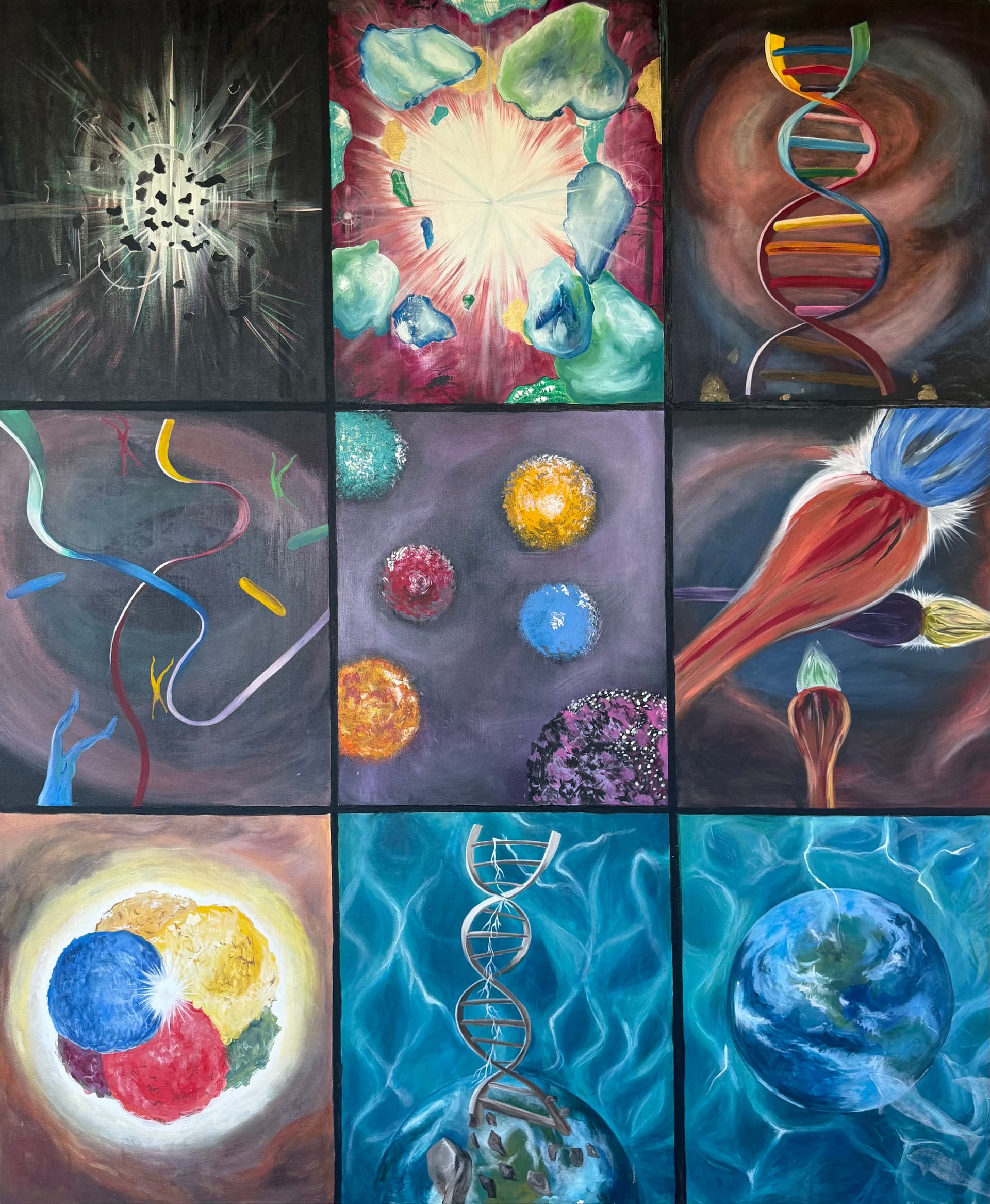
The Yellow Brick Road follows the nine panels from wound to healing and unity.
What if the road out of childhood wounds could be seen? I picture it as a Yellow Brick Road winding through the nine panels of my Be The Cause® Mind Map. Dorothy and her companions help us recognize a painful truth: we can spend years searching outside ourselves for the qualities that were within us all along. The road gives us a way to understand how those qualities became obscured and how to find them again.
The Mind Map is a journey from unconscious reaction to conscious causation. It shows us where the pattern began, how it followed us into adult life and where we can interrupt it. The path is simple to remember: encode, decode and recode. The first three panels explain how the childhood blueprint formed. The middle three reveal how it operates in the present. The final three help us create a healthier future.
Before the tornado
Panel 1 begins with the child entering the world with light, health, wholeness and the potential to become an authentic, self-actualized "Big I." The Big I is the original whole self: the complete you, the undamaged you. Then a tornado may interrupt that beginning. In this metaphor, the tornado represents childhood wounds: experiences too overwhelming or confusing for a child to make sense of alone.
The four primary categories of childhood wounding are physical abuse, sexual abuse, verbal abuse and neglect. Neglect may be physical or emotional. Wounds can also take the form of control, smothering, emotional objectification and narcissistic abuse. A child may be fed, clothed and sheltered while remaining emotionally unseen. When a parent cannot mirror, attune to or empathize with the child, the child may learn that the parent's reality matters more than the child's own.
These experiences cast shadows over the Big I. They do not destroy it. Like a tree growing around a stone, the developing self grows around the wound. The child adapts because adaptation is necessary for survival. Yet the shadow can reduce access to the Big I and leave a vulnerable "little i" organized around fear, shame, self-doubt and the need for approval.
This is one reason an adult with childhood wounds may be especially susceptible to manipulation or narcissistic abuse. Familiarity can feel like connection, even when the familiar pattern hurts. This is never the survivor's fault. Understanding the pattern gives us more choice about what happens next.
The first steps on the road — Encoding
The wound comes before the reaction. The first three panels show the creation of the original blueprint. Panel 1 identifies the wound. Panel 2 asks how the child reacted: fear, shame, anger, self-blame, withdrawal or a determined effort to keep the peace. Panel 3 asks what the child encoded from those experiences. "I'm not enough." "I'm not safe." "I don't matter." "I must earn love." "If I tell the truth, I will lose the relationship." These are examples of conclusions a child might form, not truths about who that child is.
Those conclusions become a cracked lens through which the person may later see themselves, other people and the world. The lens distorts interpretation. Neutral events may feel threatening. A healthy limit may feel like abandonment. A familiar pattern of control may be mistaken for love. The person is responding through an old code that once made emotional sense.
The tornado has passed, but its lessons can travel with us. The little i may scan for danger, seek approval or question its own perception. That is how an old survival strategy can quietly become an adult relationship blueprint.
The companions and the illusion of Oz — Decoding
Dorothy's companions give this hidden blueprint a human face. The Scarecrow thinks he lacks a brain, yet he thinks creatively and solves problems. The Tin Man thinks he lacks a heart, yet his kindness is visible in how he cares for others. The Lion thinks he lacks courage, yet he repeatedly acts while afraid. Each has mistaken a painful belief for an identity. Each already possesses the very quality he is seeking.
Dorothy believes the power to get home lies with someone else. She travels toward the Emerald City to ask the great and powerful Oz for an answer. In a narcissistic relationship, an "Emerald City" can be the glittering illusion a controlling person creates: the promise of perfect love, rescue or validation if only you keep trying hard enough. Oz appears to hold the answers, while the person on the road begins to doubt their own judgment.
Panels 4 through 6 help us decode what is happening now. Panel 4 reveals the chaos that follows when old wounds meet present pressures. Panel 5 uncovers defenses that once helped us survive but may now keep us stuck. Panel 6 is the breakdown or breakthrough: the moment we begin to question the story, face the pain beneath it and see that the illusion cannot give us what we need.
The Wicked Witch represents the original wound and the adversarial forces that keep activating it. These may include threats, manipulation and attacks from another person, as well as the internalized voices that say, "You cannot make it without me." Every new storm can make the old tornado feel present again. Naming those forces helps us stop mistaking intimidation for truth.
Toto pulls back the curtain — Recoding
And then there is Toto: the truth dog, the loyal witness who follows reality rather than performance. He notices what the others have missed and pulls back the curtain. The supposedly all-powerful wizard is a human being behind an impressive production. The Witness is Toto. The truth is the pulling back of the curtain.
In healing from narcissistic abuse, this can be the moment we see the gap between someone's image and their behavior. The narcissistic Oz may project certainty, superiority, charm or specialness. Behind the curtain may be manipulation, apathy and a need to control the narrative. Healing begins when we trust what we have seen and felt, even after being trained to doubt ourselves.
Panels 7 through 9 show how a new blueprint can form. In Panel 7, a paradigm shift makes room for a more truthful view of ourselves and our relationships. In Panel 8, healing grows through practice: feeling what was once too painful, setting boundaries, receiving empathy and choosing people who can meet us with care. In Panel 9, unity is the movement toward alignment within ourselves and genuine connection with others. The illustration calls this final destination "balance"; in the Be the Cause® Mind Map, its fuller name is Unity.
Dorothy discovers that the power to return home was within her all along. The Scarecrow, Tin Man and Lion discover that intelligence, kindness and courage were present throughout the journey. No wizard can hand them an identity that is already theirs. What changes is their ability to recognize and embody it.
Healing does not mean pretending the tornado never happened. It means understanding what happened, grieving what was missing and refusing to let the old code author the rest of our lives. We decode the past so we can recode the future. The Big I begins to emerge from the shadow of the little i.
From apathy to empathy
At the center of narcissistic abuse is a failure of empathy. Apathy disconnects; empathy heals. A child develops a stable sense of self through being seen, heard, protected and understood. When attunement is replaced by manipulation or emotional indifference, a hole can form in the soul: the painful sense that something essential is missing.
The healing relationship offers a different experience. An enlightened witness can help us name the wound without shaming the reaction it created. As we learn to become that witness for ourselves, we respond with curiosity instead of contempt. We can ask, "What happened to me? What did I encode? How is that code operating now? What truth will I choose today?"
This is how personal healing begins to heal human disconnect. When we become more empathic, truthful and internally aligned, we are less likely to pass unexamined wounds into our families, relationships and communities. We either evolve and connect, or devolve and disconnect. The Yellow Brick Road invites us to choose connection.
Take the next step
The road may sometimes feel muddy, flooded or on fire. Yet it continues to point toward truth, freedom and home. This Yellow Brick Road is an invitation to begin your own Mind Map journey and become the cause of better outcomes for your life.
My forthcoming third edition of Be The Cause: Healing Human Disconnect will explore this journey more deeply. For my complete nine-panel recovery pathway, programs, resources and ways to work with me, visit the sites below and take your own Yellow Brick Mind Map journey to healing.
Healing Narcissistic Wounds | Psychological Healing Center
*Decode your past. Recode your future®.*
Ready to Start Healing?
Decode your past... recode your future®. Book a free consultation today.
Click Here to Get a Free Consultation