Blog · Aug 1, 2019
Sibling Rivalry
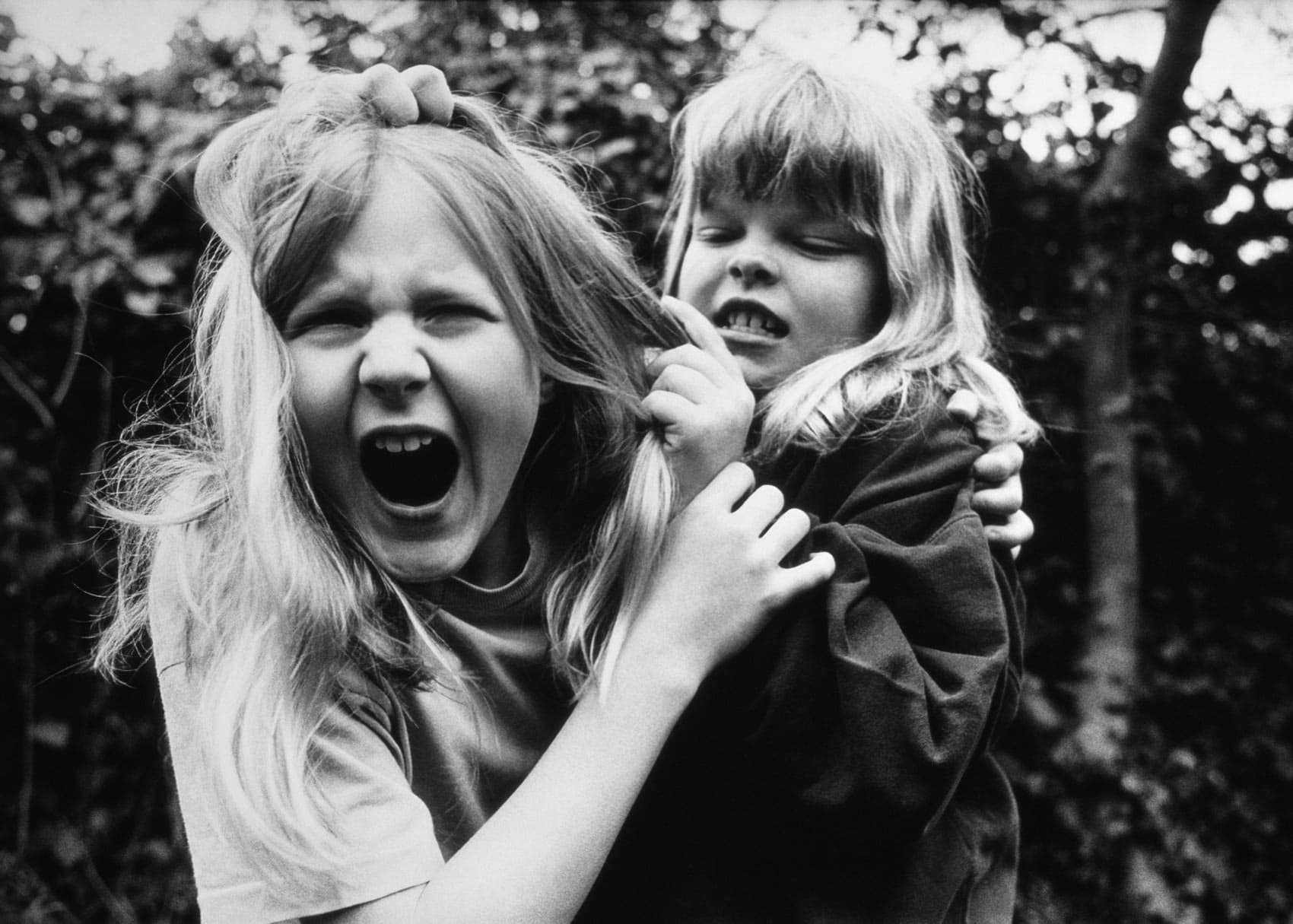
Everyone with a little sister or brother cringes when someone says they wish they'd had a younger sibling. Everyone with an older brother or sister scoffs when someone says they wish they'd had the protective influence of an older sibling. In some way or another, everyone's sibling, younger or older, has gotten on their last nerve. But some siblings take this to an extreme, past the playful teasing and noogies. When siblings have to survive in a broken family system, sometimes instead of relying on one another, they work to come out on top.
The More The Merrier?
There are many factors that can influence the dynamics between siblings. Adivan Milevsky, PhD reports that family size can either bring a family closer together or cause power problems. In his article, "Fighting For a Piece of Mom: Family Size and Sibling Relationships," he suggests that when it comes to family size, the more the merrier. He explains that families with large numbers of children have more even distributions of power. In a family with many siblings, each child has a specific role in their family that they fit into. Additionally, the large size contributes to a closer group feeling. Dr. Milevsky states "studies actually do show that children from larger families are more likely to be altruistic, cooperative, and interdependent than children from smaller families." However, in a smaller family, the siblings may feel confused about their roles, and therefore fight to be the top dog.
For example, Alfred Adler, an Austrian psychotherapist and founder of the school of individual psychology states that older siblings often feel "dethroned" by their younger siblings and so they must constantly prove themselves. Younger siblings often feel as though they must outshine their older siblings who already have the love of their parents. There are positives and negatives to both sides. Having a large family has all the benefits of a strong group feeling and less power problems, but when it comes to time with mommy and daddy, children may fight that scarce resource. In a small family, the power may be imbalanced, but the children take on diverse responsibilities and don't have to fight as much for attention.
The Perfect Storm
Furthermore, the age gap and genders can cause more rivalry. The more similar the siblings are, the more competitive they are. If they are close in age and of the same gender, they will compete more fiercely to be the "better" child. If you add a narcissistic parent who is extremely hard to please, this common dynamic can descend a household into chaos.
According to goodtherapy.com, there are several more situational factors that can turn a sibling rivalry sinister:
- Living in a single-parent household: with only one parent to compete for, it can feel like there isn't enough love to go around.
- Blended families: step-parents can have differing parenting styles and this can take a toll on the step-siblings who have grown up in completely different households.
- Dynamics between parental figures: couples who exhibit problem-solving and negotiation in their disagreements teach their children healthier ways of arguing, as opposed to parents who exhibit violence when they disagree, passing on dysfunction to their children.
- Traumatic life events: Events like divorce, death of a loved one, mental health concerns, chronic illness, or trauma can throw a dysfunctional sibling relationship from a rocky boat into troubled waters.
Squabbles between siblings are just a part of life and often, it is better to let them sort it out on their own. However, there may come a time when intervention is needed. Here are some warning signs of a sibling relationship gone wrong:
- Fights happen anytime, anywhere: When siblings fight intense, long-standing battles, it may be time to seek support.
- Mental health is impacted: If a child is experiencing a mental health condition like depression or posttraumatic stress, it makes sense to get outside help.
- Sibling abuse: A small amount of teasing or aggression between siblings is typical. When siblings bully or physically attack each other, caregivers should find help.
- Estrangement: Sometimes conflict becomes so intense that siblings cut off their relationship altogether. Without help, the disconnect can last decades.
From A Mind Map Perspective
When children are part of a broken family system, they may take it out on each other. If they have not received the necessary attunement and ingredients to form a healthy mind, they end up with emotional defense mechanisms. These defenses may inlude frequent fighting with their sibling/s or allowing themselves to be abused by their sibling/s.
If a sibling relationship becomes abusive or unhealthy for you, in order to paradigm shift out of you state of pain, you may want to consider psychological intervention, going light contact, or even going no contact. Keeping someone in your life who only descends your psyche into chaos isn't doing anyone any favors. Healthy, loving connections will lead to true healing. You must recognize the signs of your dysfuntional family system, realize this part of your life was not your fault, and put your mental health first.
Ready to Start Healing?
Decode your past... recode your future®. Book a free consultation today.
Click Here to Get a Free Consultation